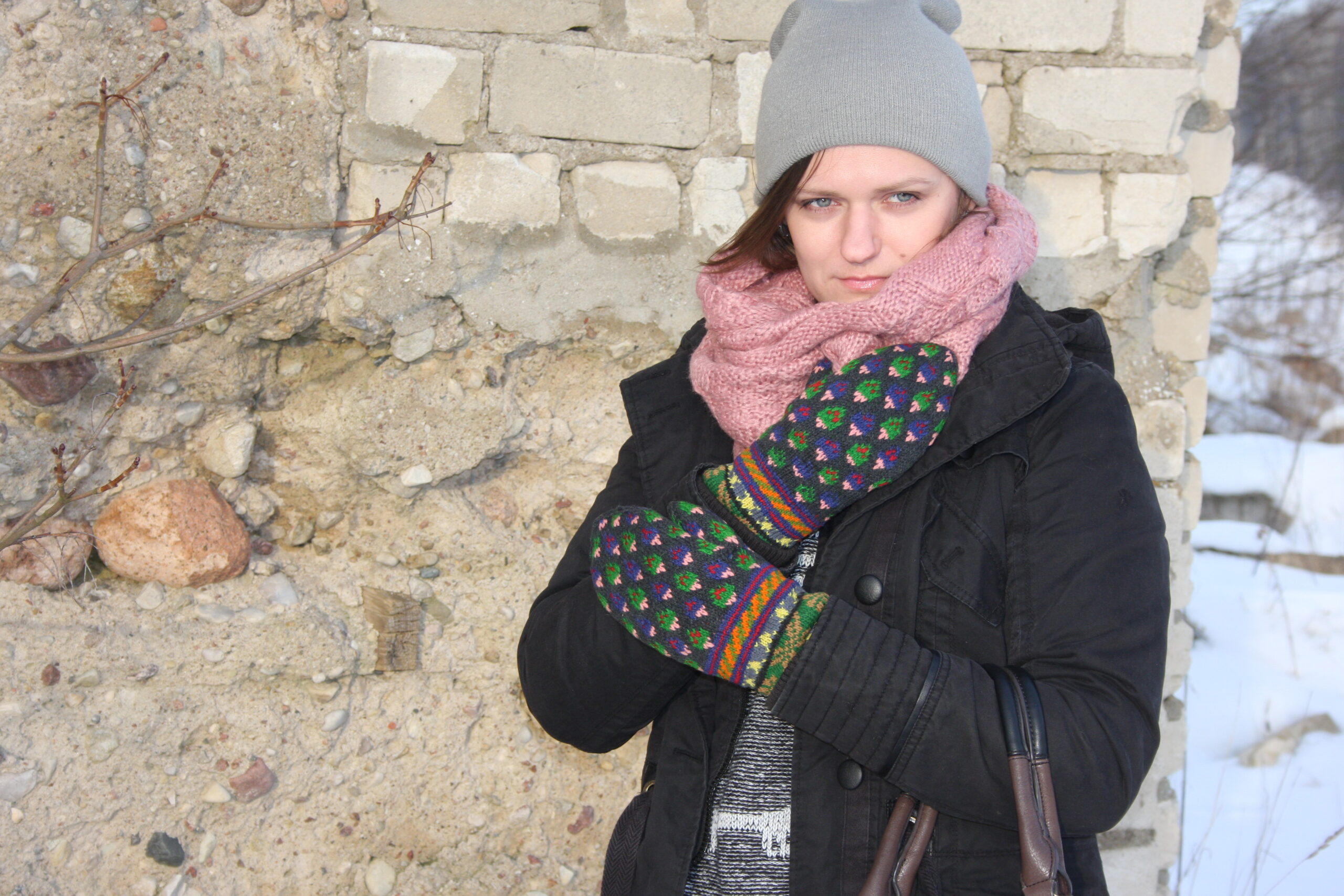

Fashion is more than a reflection of the times we live in. It is a fascinating dialogue between past and present, a continuous evolution of ideas, silhouettes, colours, fabrics, and cultural influences. While new trends emerge with every season, many of the styles we admire today have their roots in earlier decades or even centuries. From vintage-inspired tailoring and romantic Victorian details to traditional folk costumes and timeless handcrafted garments, the past continues to shape the way we dress today.
The Return of Fashion Trends: Old Ideas, New Interpretations
Fashion has always moved in cycles. Styles that once defined an era often return decades later, reimagined to suit contemporary tastes and lifestyles. High-waisted trousers, oversized blazers, pleated skirts, corsets, puffed sleeves, and intricate embroidery are just a few examples of designs that have travelled through time to find a new place in modern wardrobes.
However, today's reinterpretations are rarely exact copies of the past. Designers combine historical silhouettes with innovative materials, contemporary cuts, and unexpected details, creating garments that feel both familiar and fresh. Understanding the origins of these recurring trends allows us to appreciate fashion not simply as a sequence of seasonal novelties, but as an ongoing conversation between generations.
Wearing Historical Clothing in the Modern World
Historical clothing offers a rich source of inspiration for personal style. Traditional garments, vintage pieces, folk costumes, and historically inspired accessories can bring individuality, character, and cultural meaning to contemporary outfits.
The key is learning how to balance tradition with modernity. A traditional embroidered blouse can be paired with tailored trousers and minimalist shoes. A long historical skirt can be styled with a simple knit top, a structured jacket, or modern boots. Traditional patterns and handcrafted accessories can add depth to an otherwise understated outfit, while contemporary fabrics and clean silhouettes can make historical details feel relevant to everyday life.
This approach is particularly meaningful when working with traditional clothing and regional costume heritage. Rather than treating historical garments as pieces reserved exclusively for festivals or special occasions, we can explore thoughtful ways to incorporate their colours, patterns, craftsmanship, and design elements into modern wardrobes. In doing so, fashion becomes not only a means of self-expression but also a way to preserve and reinterpret cultural identity.
Fashion for Every Body: Finding Trends That Work for You
Although fashion trends can be inspiring, not every silhouette, cut, or proportion works equally well for every person. The most successful styling choices are those that combine current trends with an understanding of individual proportions, comfort, and personal preferences.
The same trend can look entirely different depending on how it is styled. High-waisted trousers, for example, can create a longer-looking leg line, while a cropped jacket can emphasise the waist. Vertical lines, carefully chosen colour combinations, and well-balanced proportions can influence the overall impression of an outfit. Layering, fabric weight, sleeve length, skirt shape, and neckline can also make a significant difference.
Rather than following rigid rules about what people of different body types should or should not wear, we believe in exploring the possibilities of each style. The aim is not to hide natural features or conform to a particular ideal, but to discover the cuts, proportions, and combinations that make you feel confident and comfortable. Fashion should adapt to the individual, not the other way around.
Tradition and Trends: Creating Your Own Style
The most interesting personal styles often emerge when different influences come together. A contemporary outfit can gain character from a historical silhouette, a traditional textile, an unexpected accessory, or a detail inspired by the craftsmanship of another era. Equally, a historical garment can acquire a new identity when combined with modern clothing and accessories.
In this blog, we will explore the connections between fashion history and contemporary trends, discover how styles from the past return in new forms, and look at practical ways to wear historical and traditional clothing today. We will also examine how to adapt current trends to different body proportions, choose flattering silhouettes, combine colours and patterns, and create versatile outfits that reflect individual taste.
Whether you are drawn to timeless elegance, vintage fashion, traditional craftsmanship, contemporary minimalism, or bold experimental combinations, there is always room to explore, reinterpret, and create.
Because great style is not about following every trend. It is about understanding what came before, embracing what inspires you today, and making it your own.